The Role of Semiconductors in High-Tech Aerospace Machining
Understanding Aerospace Machining Services
Importance of Precision in Aerospace Machining
Aerospace machining services demand exceptional precision and accuracy due to the critical nature of components used in aircraft and spacecraft. The aerospace industry operates under stringent regulations and safety standards, necessitating that every part meets exact specifications. Precision machining ensures that components such as turbine blades, engine parts, and structural elements fit seamlessly, function optimally, and withstand extreme conditions. Even minor deviations in dimensions can lead to significant safety risks. Thus, skilled machinists employ advanced techniques and specialized tools to achieve the required tolerance levels, making precision the cornerstone of aerospace machining.
Key Materials Used in Aerospace Machining
The choice of materials in aerospace machining plays a crucial role in ensuring reliability and performance. Machinists frequently work with lightweight alloys like aluminum and titanium, which offer high strength-to-weight ratios. These materials are essential for aircraft and spacecraft construction, as they reduce overall weight and improve fuel efficiency. Stainless steel and cobalt-based alloys also find application in components that require superior corrosion resistance and strength at elevated temperatures. Additionally, castings of iron and tool steel are used for specific parts that demand durability. The selection of these materials reflects the aerospace industry's commitment to innovation and performance enhancement.
The Role of CNC Machining in Aerospace Manufacturing
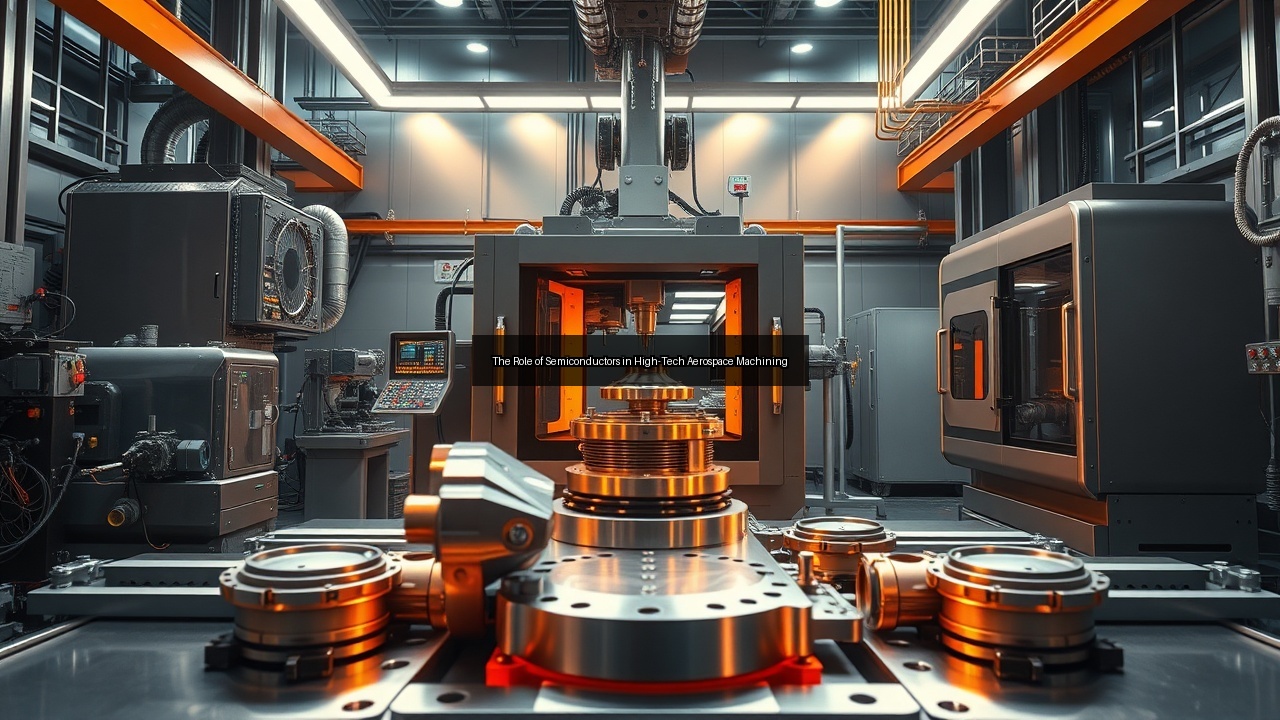
CNC machining revolutionized the aerospace manufacturing landscape by introducing automation and precision to machining processes. Computer Numerical Control (CNC) technology allows machinists to program tools for milling, drilling, and turning operations, enhancing production efficiency and consistency. This technology accommodates complex geometries and intricate designs that are often required in aerospace components. CNC machining also minimizes human error, ensuring that parts are produced to exact specifications. The ability to produce high volumes of precision parts rapidly makes CNC machining an indispensable aspect of modern aerospace machining services, supporting the industry's growing demand for innovative solutions.
Semiconductors: The Backbone of Modern Aerospace Machining
Integration of Semiconductors in Machining Tools
Semiconductors have become integral to advanced machining tools used in the aerospace industry. These microelectronic components enhance the performance of CNC machines, enabling real-time data processing and feedback. For instance, sensors powered by semiconductors can monitor tool conditions, detect wear, and adjust operational parameters automatically. This integration not only improves machining efficiency but also extends the lifespan of cutting tools. As a result, aerospace machining services benefit from reduced downtime and increased productivity, crucial in an industry where timelines are often tight. The reliance on semiconductors showcases the intersection of traditional machining and modern technology.
Impact on Reliability and Accuracy in Aerospace Applications
Reliability and accuracy are paramount in aerospace applications, where component failure can have catastrophic consequences. The role of semiconductors in enhancing these attributes is profound. By integrating advanced sensors and control systems, machining tools can maintain tight tolerances and consistent performance throughout the production process. This capability ensures that critical components, such as missile guidance systems and engine parts, are manufactured to the highest standards. Moreover, the feedback loops enabled by semiconductor technology allow for real-time adjustments, further solidifying the reliability of the final products. This commitment to precision fosters trust in aerospace machining services among manufacturers and end-users alike.
Advancements in Industrial Automation for Aerospace Machining
Industrial automation, fueled by semiconductor technology, has transformed aerospace machining services. Automated systems streamline operations, from material handling to machining and quality assurance. For example, robotic arms equipped with sensors can perform repetitive tasks with high precision, freeing skilled machinists to focus on complex problem-solving and innovation. Additionally, automation minimizes human error and increases production rates, which is critical for meeting the demands of the aerospace industry. As manufacturers strive for efficiency, integrating semiconductors into their processes becomes essential to realize the full potential of industrial automation in aerospace machining.
Applications of Aerospace Machining in High-Tech Industries
Machining Components for Military Aircraft and Missiles
Aerospace machining services significantly impact the production of components for military aircraft and missiles. The precision required in these applications cannot be overstated, as they must endure extreme conditions and operate flawlessly under pressure. Machinists produce intricate parts such as weapon systems, airframes, and propulsion components using advanced materials and techniques. The use of CNC machining allows for complex geometries that enhance aerodynamic performance and overall functionality. As military technology evolves, aerospace machining services must adapt to meet the increasing demands for advanced materials and innovative designs in defense applications.
Precision Machining for UAV and Spacecraft
Unmanned Aerial Vehicles (UAV) and spacecraft represent some of the most challenging applications for aerospace machining. These platforms require lightweight yet robust components that can withstand harsh environments, from high altitudes to the vacuum of space. Machinists utilize advanced CNC machining techniques to create precise parts from materials like titanium, aluminum, and composite structures. The focus on precision ensures that every component contributes to the overall performance and reliability of the UAV or spacecraft. As the demand for UAVs grows in both military and civilian sectors, aerospace machining services continue to innovate to meet these unique requirements.
Innovations in Turbine Blades and Engine Components
Turbine blades and engine components represent a critical area of focus in aerospace machining. These parts must operate efficiently while withstanding extreme temperatures and mechanical stresses. Advanced machining techniques allow for the production of complex geometries that optimize airflow and enhance performance. The introduction of new materials, such as superalloys and advanced composites, requires machinists to adapt their techniques continuously. Aerospace machining services now incorporate additive manufacturing and hybrid machining processes to innovate turbine blade designs, improving efficiency and reducing emissions. This evolution reflects the aerospace industry's commitment to sustainability and performance enhancement.
Future Trends in Aerospace Machining
Emerging Technologies in Aerospace Machining
The future of aerospace machining is bright, with emerging technologies poised to reshape the landscape. Innovations such as additive manufacturing (3D printing) allow for the rapid prototyping and production of complex components that traditional machining methods may struggle to achieve. Integrating artificial intelligence and machine learning into machining processes enhances decision-making and predictive maintenance, further increasing efficiency and reducing costs. Furthermore, advancements in materials science may introduce new alloys and composites that revolutionize component design and manufacturing. These technologies will play a crucial role in the ongoing evolution of aerospace machining services, enabling faster, more efficient production of high-quality aerospace components.
Sustainability in Aerospace Manufacturing
Sustainability has emerged as a critical focus in aerospace manufacturing, driven by both regulatory pressures and consumer demand. Aerospace machining services are adapting by implementing more eco-friendly practices, such as reducing waste during production and optimizing energy consumption. Techniques like near-net-shape machining minimize material waste, while recycling initiatives for metal scrap and used components are gaining traction. Additionally, manufacturers explore biocompatible materials and sustainable production methods to reduce their environmental impact. This commitment to sustainability reflects a broader industry trend toward responsible manufacturing, ensuring the longevity of aerospace machining services in an increasingly eco-conscious world. aerospace parts machining
The Role of Machinists in Advancing Aerospace Technology
Machinists play a pivotal role in advancing aerospace technology and ensuring the industry's continued growth. Their expertise in CNC machining, material selection, and innovative manufacturing techniques positions them as essential players in the aerospace supply chain. Continuous training and skill development are crucial as technology evolves, enabling machinists to embrace new tools and methodologies. The collaborative nature of aerospace projects requires machinists to work closely with engineers and designers, fostering innovation and creative problem-solving. As the aerospace industry faces new challenges and opportunities, the role of skilled machinists will remain fundamental to achieving excellence in aerospace machining services.
See Also
- Unlocking the Future of Flight with Precision Aerospace Machining Services
- The Critical Role of Machining in the Lifecycle of Aircraft Components
- How Aerospace Machining Contributes to the Development of Missiles
- Crafting Tomorrow's Spacecraft with Advanced Aerospace Machining Techniques
- Navigating the Challenges of Machining Titanium for Aerospace Parts